
 英语
英语 西班牙语
西班牙语 阿拉伯语
阿拉伯语Cat:Productos
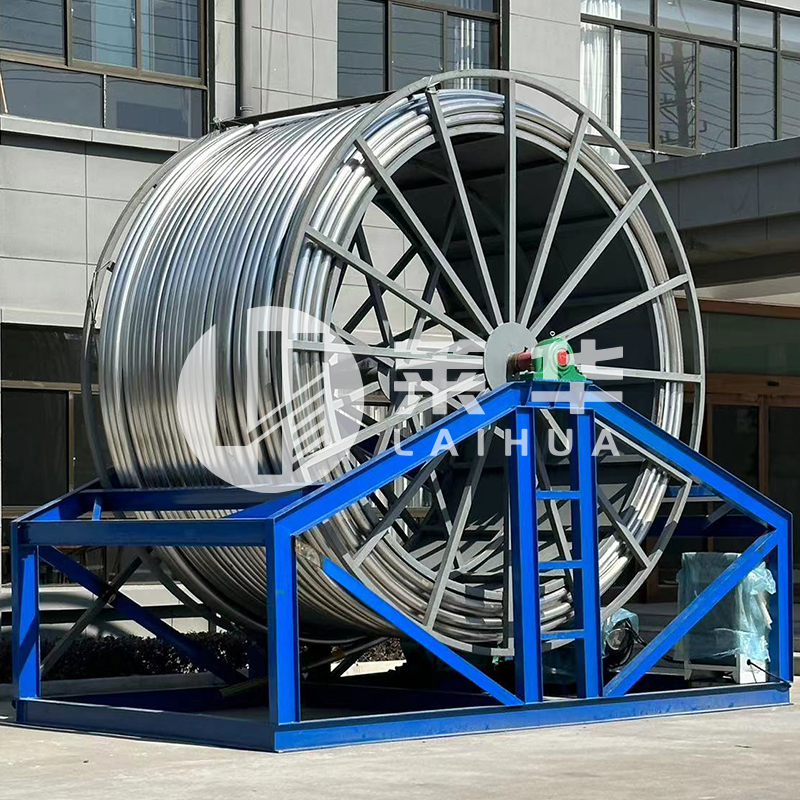
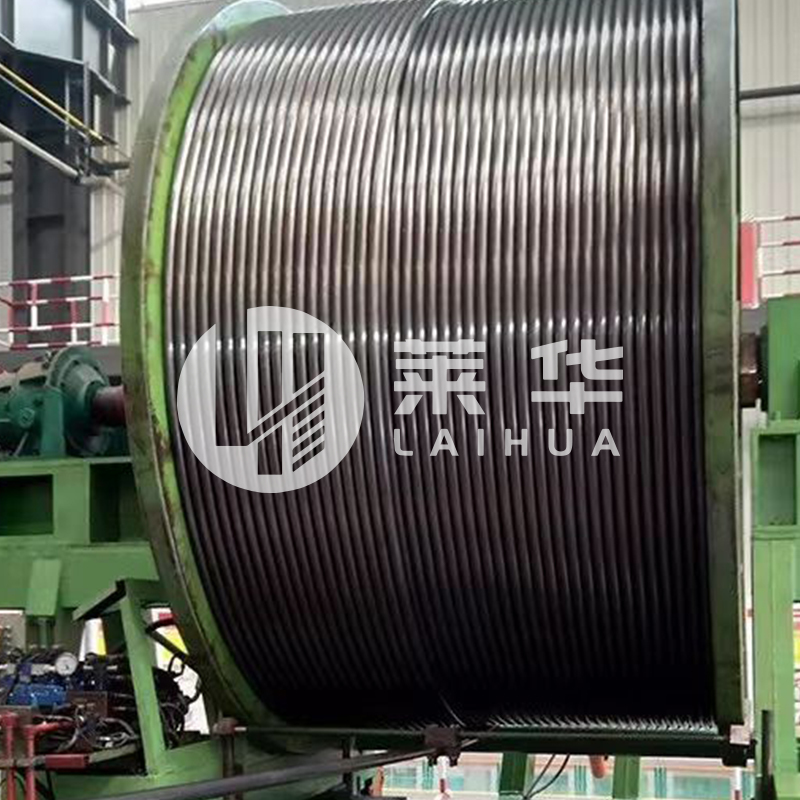
La tubería continua, también conocida como tubería flexible o tubería flexible, se usa ampliamente en los campos de reparación de pozos, registro y pe...
Ver detalles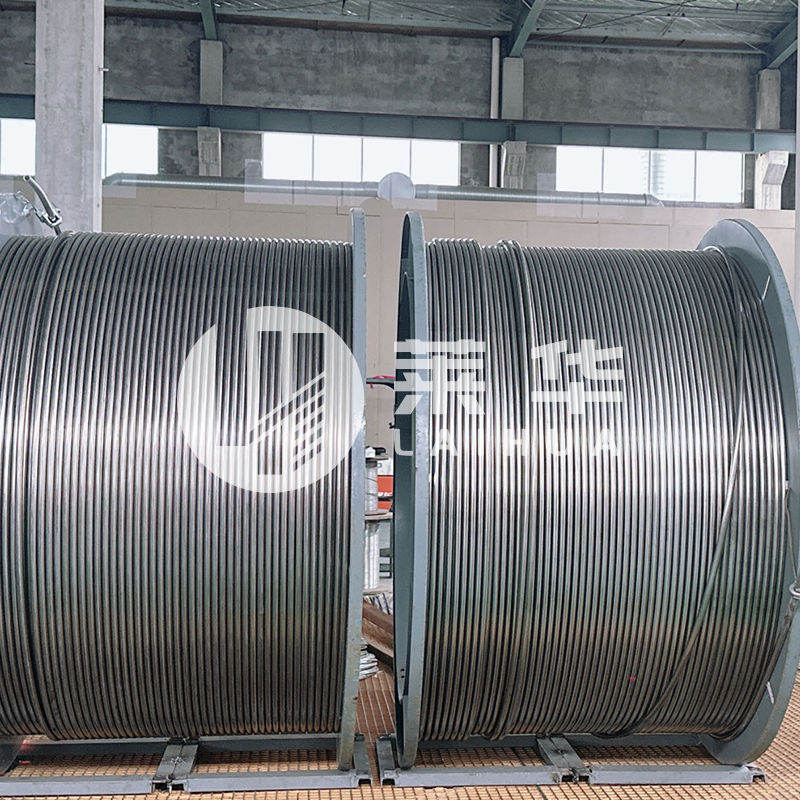
Contenido
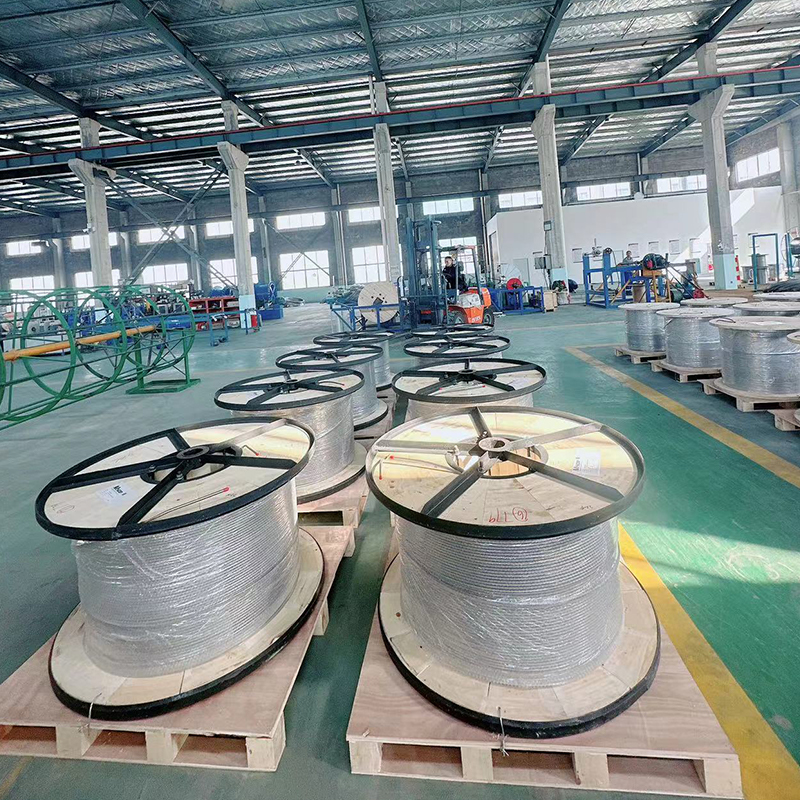
Tubería continua se refiere a un tramo único e ininterrumpido de tubo fabricado sin juntas ni soldaduras. A diferencia de las tuberías segmentadas estándar, la tubería continua elimina posibles puntos de fuga y conexiones débiles, lo que la convierte en la opción preferida en industrias que requieren un transporte de fluidos confiable. Su naturaleza sin costuras mejora la durabilidad, minimiza el mantenimiento y permite una instalación más sencilla, especialmente en espacios reducidos o diseños complejos.
Los tubos continuos encuentran un uso generalizado en industrias que van desde la médica y farmacéutica hasta la de procesamiento químico y los sistemas HVAC. Algunas de las aplicaciones más destacadas incluyen:
Los tubos continuos están disponibles en una variedad de materiales, cada uno de los cuales ofrece características de rendimiento únicas. Elegir el material correcto es esencial para maximizar la eficiencia y la longevidad:
Altamente resistente a la corrosión y a las altas temperaturas, el acero inoxidable es ideal para aplicaciones químicas, farmacéuticas y de calidad alimentaria. Su estructura robusta permite el transporte de fluidos a alta presión sin deformaciones ni fallas.
Los tubos de cobre ofrecen una excelente conductividad térmica, lo que los convierte en una opción popular para sistemas HVAC y refrigeración. Es relativamente fácil de doblar, lo que permite la instalación en espacios reducidos manteniendo al mismo tiempo un rendimiento a prueba de fugas.
Los polímeros flexibles, como el polietileno o el PTFE, se utilizan ampliamente en aplicaciones médicas y de laboratorio. Son livianos, químicamente resistentes y se pueden fabricar en longitudes continuas que se adaptan a requisitos de enrutamiento complejos.
La instalación adecuada de tubos continuos garantiza la longevidad y el rendimiento. Las mejores prácticas clave incluyen:
El cambio a tubería continua puede mejorar significativamente la eficiencia del sistema y reducir los costos operativos. Sus principales beneficios incluyen:
Una comprensión clara de las propiedades del material es esencial para seleccionar la tubería continua adecuada. La siguiente tabla resume las características clave:
| Materiales | Resistencia a la corrosión | Flexibilidad | Rango de temperatura | Aplicaciones comunes |
| Acero inoxidable | Alto | moderado | -200°C a 800°C | Química, farmacéutica, procesamiento de alimentos. |
| Cobre | moderado | Alto | -50°C a 250°C | Climatización, refrigeración |
| PTFE / Polietileno | Alto | muy alto | -100°C a 260°C | Médico, Laboratorio, Alimentos y Bebidas |
Para maximizar la vida útil de la tubería continua, el mantenimiento y la supervisión regulares son esenciales. Las recomendaciones clave incluyen:
La tubería continua es una solución versátil y práctica para una variedad de industrias, ya que ofrece durabilidad superior, prevención de fugas y flexibilidad de instalación. Al comprender las opciones de materiales, seguir las mejores prácticas de instalación y realizar un mantenimiento regular, las empresas pueden optimizar sus sistemas y reducir los costos operativos. Ya sea en aplicaciones médicas, industriales o HVAC, los tubos continuos siguen siendo una opción confiable para el transporte eficiente de fluidos.
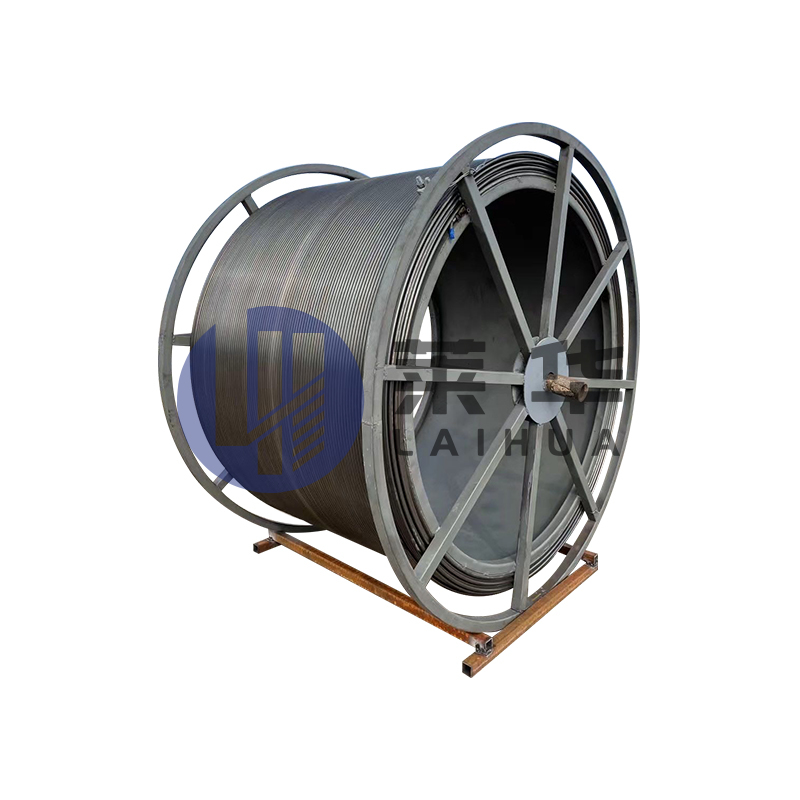
La tubería continua, también conocida como tubería flexible o tubería flexible, se usa ampliamente en los campos de reparación de pozos, registro y pe...
Ver detalles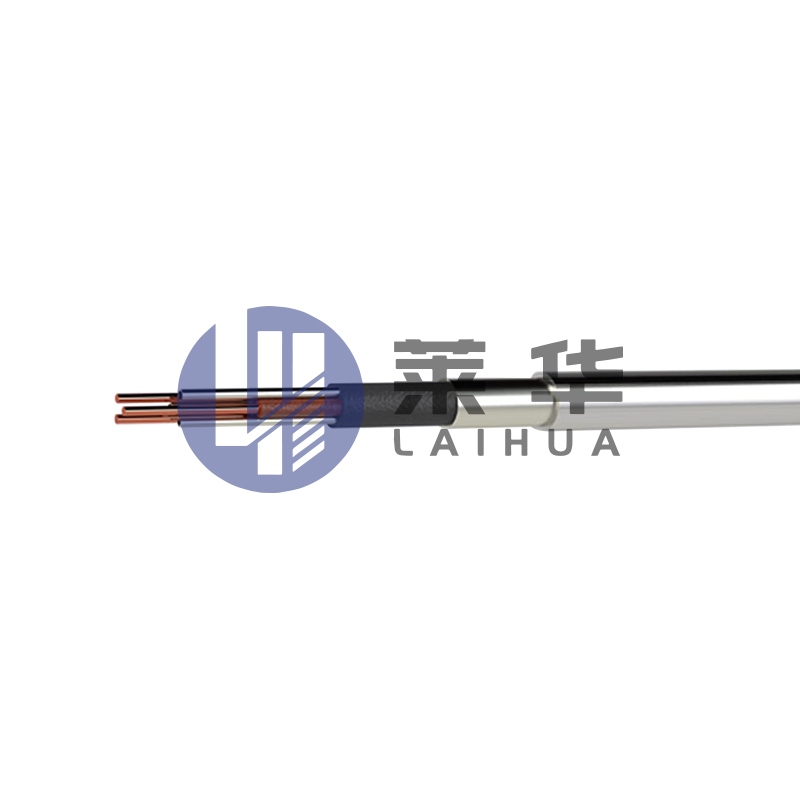
Propósito: El cable de prueba de alta temperatura, combinado con el vehículo de prueba de alta temperatura, se utiliza principalmente en pruebas mu...
Ver detalles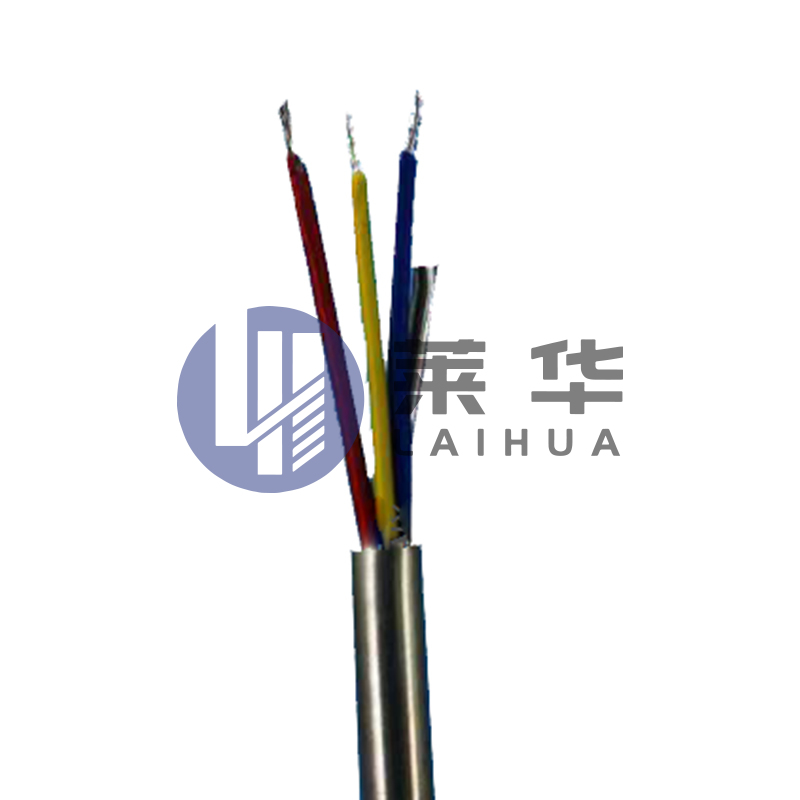
El cable de prueba de fibra óptica de acero inoxidable es un cable de prueba especial que combina la durabilidad del acero inoxidable con la alta e...
Ver detalles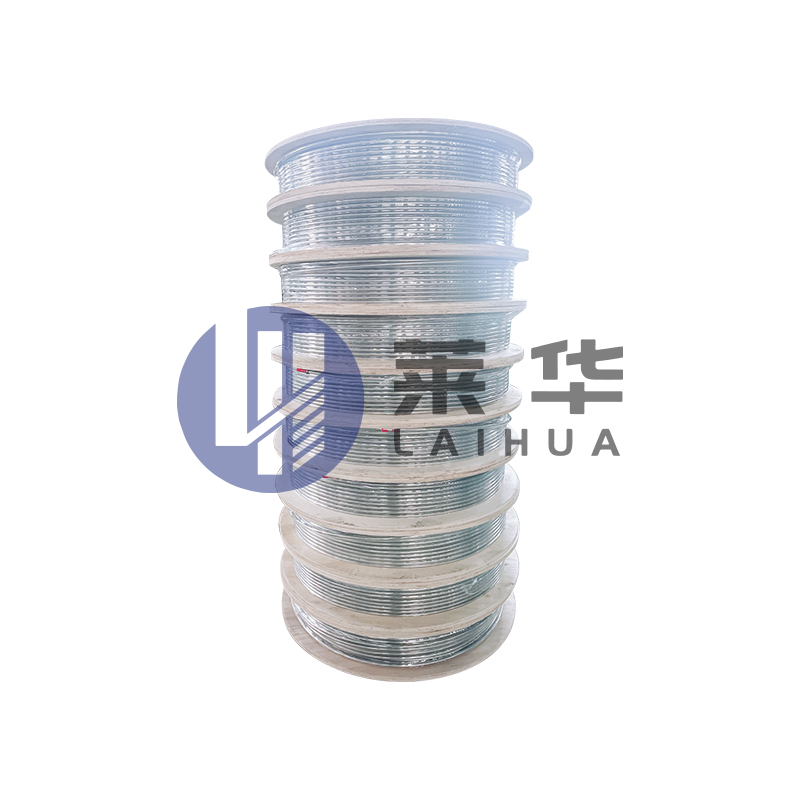
Instrucciones de uso de tuberías de control hidráulico Tubería de control hidráulico, también conocida como capilar. Se utiliza principalmente para la...
Ver detalles
La tubería revestida de acero inoxidable es un sistema de tuberías que combina la durabilidad del acero inoxidable con la protección del plástico. Est...
Ver detalles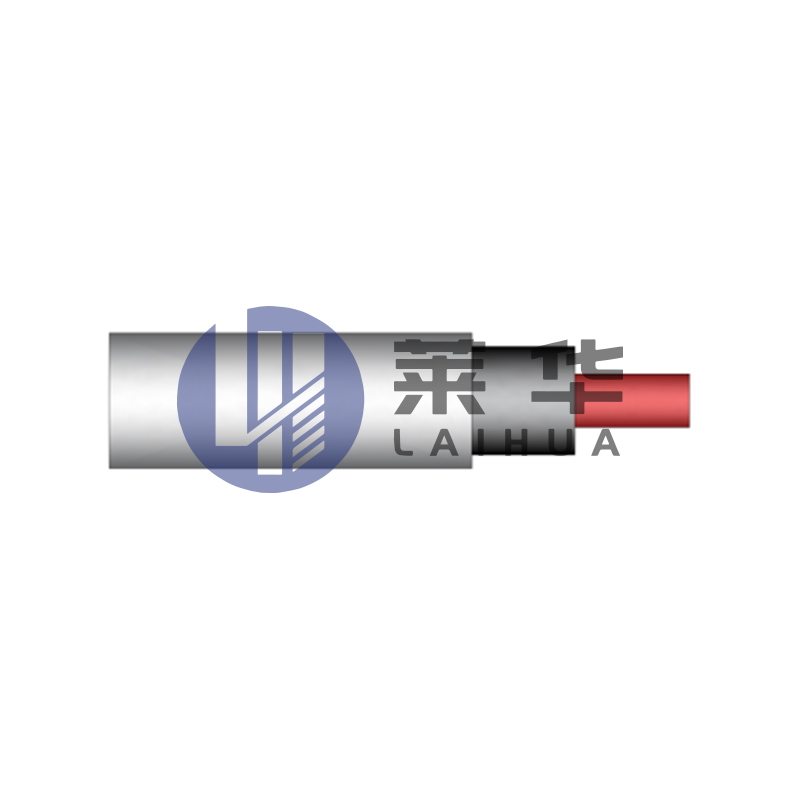
Campo de aplicación: El sistema de calentamiento eléctrico por inducción es un conjunto completo de dispositivos de calentamiento eléctrico desarrolla...
Ver detalles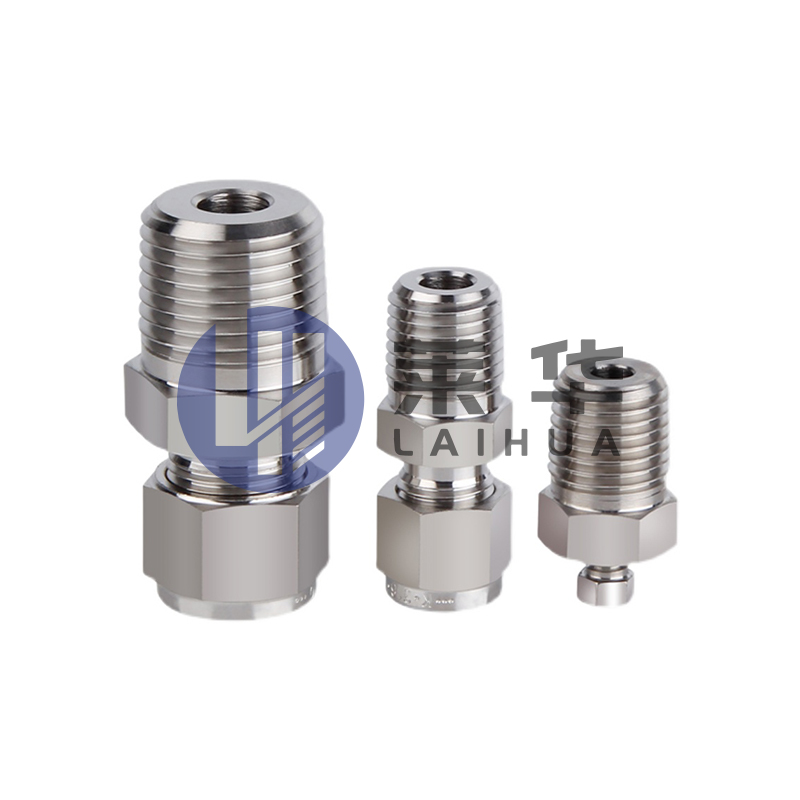
La junta de tubería tipo férula consta de tres partes: el cuerpo de la junta, la férula y la tuerca. Cuando la abrazadera y la tuerca se insertan en e...
Ver detalles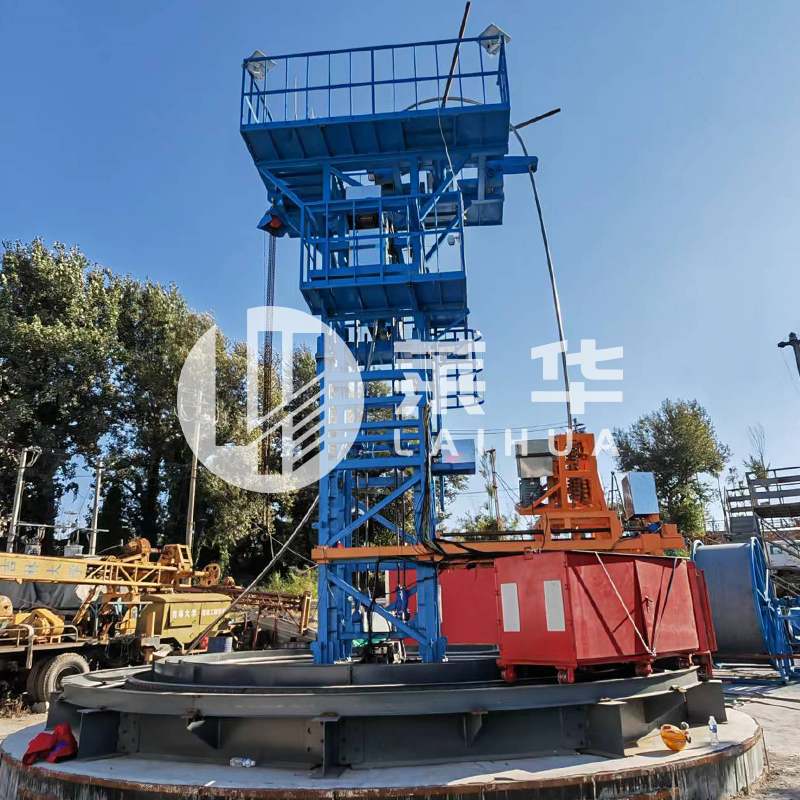
El cabrestante deslizante para tubería continua es un equipo especialmente diseñado para operaciones en campos petroleros, que combina las caracter...
Ver detalles
Correo electrónico: [email protected]

Teléfono: +86-15996597000
+86-18252893456

Whatsapp: +86-18252874678

DIRECCIÓN: No. 3 Xinyuan Road, parque industrial de la ciudad de Nanmo, ciudad de Hai'an, ciudad de Nantong, provincia de Jiangsu, China
código QR en
teléfono móvil



Contáctenos